Understanding Facebook Defamation Law in Australia
Defamation law in Australia is complex and varies slightly between states, although the Uniform Defamation Acts provide a consistent framework. To sue for Facebook defamation, you must prove that the material was published to a third party, that it identifies you (directly or indirectly), and that it is defamatory—meaning it lowers your reputation in the eyes of reasonable people. Crucially, recent reforms introduced a 'Serious Harm' threshold (Section 10A). This means you must demonstrate that the publication has caused, or is likely to cause, serious harm to your reputation. For businesses, this requires proving serious financial loss.
The Process of Removing Defamatory Facebook Posts
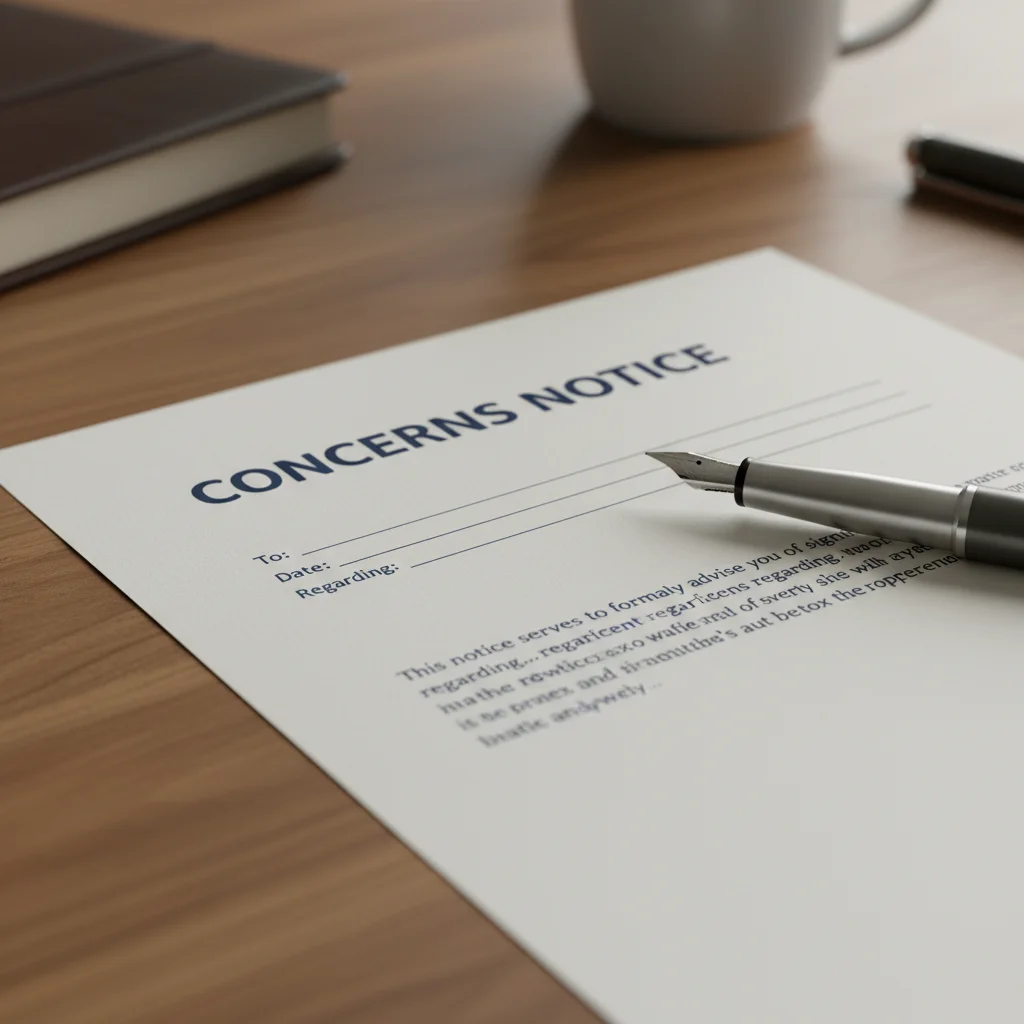
The first step is rarely filing a lawsuit. We begin by assessing the content to ensure it meets the legal criteria for a social media defamation claim. Once confirmed, we prepare a Concerns Notice. This puts the publisher on notice and triggers a 28-day period for them to make an 'Offer to Make Amends'. This offer might include removing the post, paying your legal costs, and offering a settlement sum. If the publisher refuses to cooperate or ignores the notice, we then advise on commencing litigation in the Magistrates, County, or Supreme Court depending on the severity of the claim.
Dealing with Administrators and Group Comments
Facebook groups and community pages are hotspots for defamation. Liability can sometimes extend beyond the original author to the administrators of the page if they fail to remove content once notified. We help you identify all liable parties. Furthermore, if you are a page administrator who has received a notice, we can advise on your position and the new 'innocent dissemination' defences available to digital intermediaries who act quickly to remove content.
Why You Must Act Quickly
Time is critical in defamation matters. In Australia, there is generally a strict one-year limitation period from the date of publication to commence court proceedings. However, the practical window is much shorter. The longer a post remains online, the more it is shared and indexed by search engines. Engaging a lawyer immediately allows us to seek injunctive relief if necessary to prevent further publication and demonstrates to the court that you take your reputation seriously. We offer fixed fee quotes for the initial stages, so you know exactly where you stand financially before proceeding.