Stop Defamatory Google Reviews Damaging Your Business

Fast legal action to identify anonymous reviewers, remove false content, and recover damages for your reputation.

Defend Your Reputation Against Online Attacks

A single malicious Google review can devastate a small business. When false statements appear online, the financial impact is often immediate and severe. You do not have to tolerate online libel or slander. At Defamation Lawyer Australia, we help individuals and business owners in Melbourne and across Australia take decisive action against defamatory Google reviews.

Many business owners believe they are powerless against anonymous trolls or vindictive competitors. This is incorrect. Australian law provides clear pathways to identify anonymous reviewers and hold them accountable. If a review causes serious harm to your reputation, you may be entitled to sue for defamation costs and damages. Our team moves quickly to issue urgent concerns notices and commence proceedings if necessary. We focus on practical outcomes: getting the content removed and securing compensation for the damage done to your livelihood.

Don't Let False Reviews Destroy Your Business

Speak to a defamation lawyer in Melbourne today about your options.

Our Process for Removing Defamatory Reviews

We use a structured legal approach to handle online defamation cases effectively.

Identifying anonymous Google reviewers via Federal Court orders

Unmasking Anonymous Reviewers

Most defamatory reviews are posted anonymously or under pseudonyms. We utilise the Federal Court's streamlined preliminary discovery process to compel Google to release the reviewer's IP address, email, and phone number. Once identified, we can serve legal documents directly to the perpetrator.

Defamation Concerns Notice preparation

Issuing a Concerns Notice

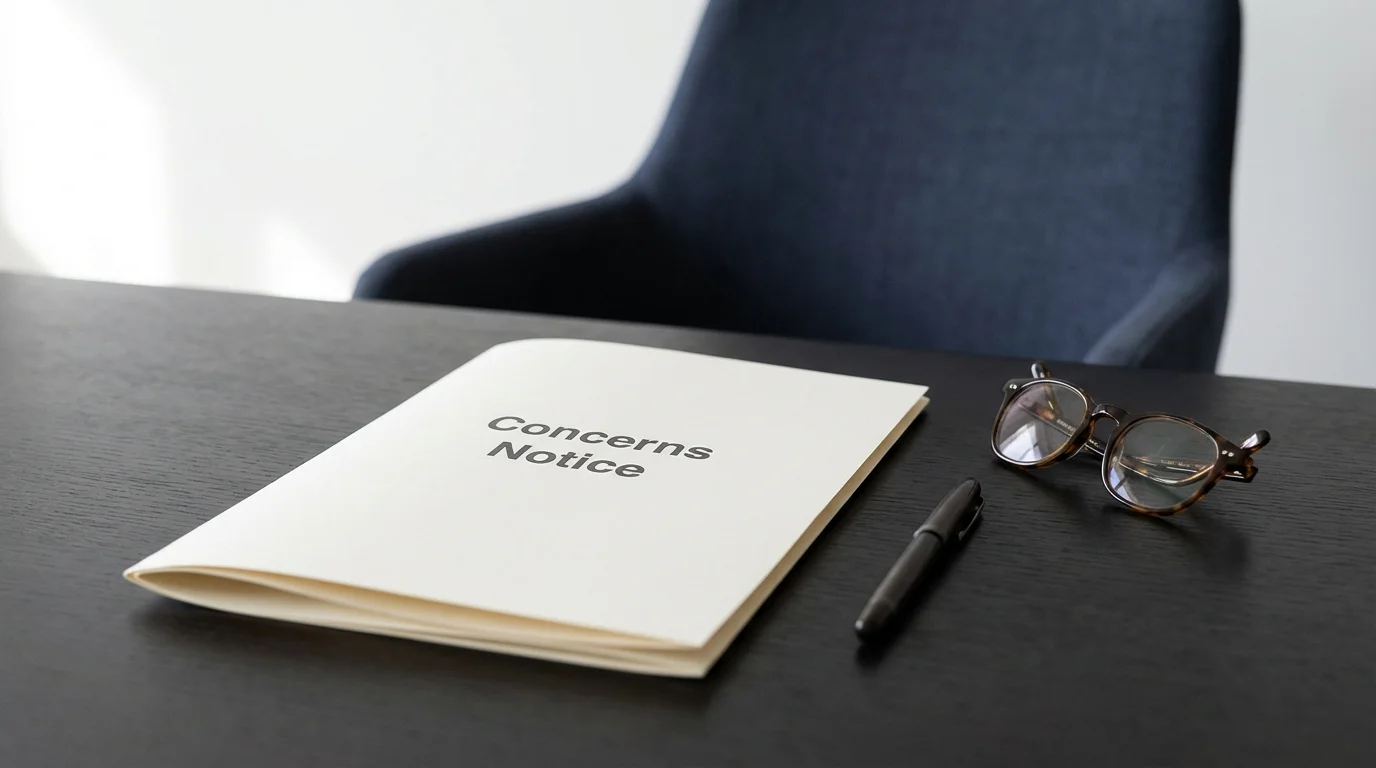
Before suing for defamation, the law requires us to serve a formal Concerns Notice. This document details the defamatory imputations and the serious harm caused. It demands the removal of the review and an offer of amends. This step often resolves the matter without going to court.

Successful resolution of defamation claim

Litigation and Damages Recovery

If the reviewer refuses to remove the content or offer a settlement, we proceed to litigation. Our team has direct experience in the Magistrates, County, and Supreme Courts. We fight to recover general damages for distress and special damages for financial loss.

Understanding Google Review Defamation Law in Australia

Defamation law in Australia is complex and strictly regulated by the Defamation Act 2005. To successfully sue for a fake Google review in Australia, you must prove that the publication identifies you, has been published to a third party, and is defamatory. Crucially, recent reforms introduced a 'serious harm' threshold (Section 10A). This means plaintiffs must prove the publication has caused, or is likely to cause, serious harm to their reputation. For businesses, this generally requires evidence of financial loss.

Who Can Sue for Defamation?

Not every business can sue. Corporations with 10 or more employees are generally excluded from pursuing defamation action. However, individual directors, managers, or employees who are personally identified and defamed within a review can still sue in their own capacity. Small businesses with fewer than 10 employees retain the right to sue as an entity. If you are unsure about your standing, our defamation lawyers can assess your eligibility during an initial consultation.

The Challenge of Anonymous Reviews

Anonymity is the most common shield for malicious reviewers. However, the Federal Court has recently made it easier to unmask these individuals. We can apply for preliminary discovery orders to be served on Google's international offices via registered post. This significantly shortens the timeline for identifying the person behind the screen. Once we have their details, we can proceed with a formal concerns notice.

Damages and Costs

Compensation in defamation cases varies widely. Damages can range from $30,000 to over $390,000 depending on the severity of the allegation and the reach of the publication. In addition to general damages for reputational harm, you may claim 'special damages' if you can prove specific business losses. Aggravated damages may also apply if the reviewer's conduct was malicious or if they refused to apologise. We provide clear advice on the potential costs versus the likely recovery to ensure proceeding is commercially viable for you.

Digital Intermediaries and Google's Liability

Recent reforms in NSW and the ACT have introduced new defences for digital intermediaries like Google, provided they offer a simplified complaints mechanism. While this area of law is evolving, the primary target for litigation remains the author of the review. Our team stays updated on these legislative changes to provide accurate reputation management legal advice.

Time is critical. In Australia, you generally have only 12 months from the date of publication to commence defamation proceedings. Delaying action can bar you from seeking justice. If you need urgent concerns notice help or advice on how to remove a defamatory review, contact us immediately.

Ready to Restore Your Reputation?

We offer fixed fee options for initial stages and plain English advice.

Why Choose Defamation Lawyer Australia?

We combine deep legal knowledge with a practical approach to resolving disputes.

Fixed Fee Options

We provide fixed fee quotes where possible for drafting concerns notices and initial assessments.

Melbourne Based

Operated by Sutton Laurence King Lawyers, a boutique firm in the Melbourne CBD.

Court Experience

Our litigation team appears in the Magistrates, County, Supreme, and Federal Courts.

Urgent Action

We act fast to secure evidence and issue notices before damage spreads further.

Plain Language

We explain complex defamation laws simply, avoiding unnecessary legal jargon.

Outcomes Focused

We aim for resolution, corrections, and settlements rather than drawn-out battles.

Frequently Asked Questions

Generally, you must sue the person who wrote the review, not the platform. Google may only become liable if they refuse to remove content after being formally notified that it is defamatory. Recent legal reforms protect digital intermediaries in certain circumstances, making it essential to target the original author.

The cost varies significantly based on the complexity of the case. The cost of an initial concerns notice typically depends on the details and complexity of the matter. Full litigation can cost significantly more. We offer fixed fee packages for the initial stages to give you cost certainty before proceeding to court.

We can help. The Federal Court allows us to apply for 'preliminary discovery' to compel Google to release the user's registration details (IP address, email, phone number). This process allows us to identify the defendant and serve them with a concerns notice.

Under the Defamation Act, corporations with 10 or more employees cannot sue for defamation. However, if the review names specific individuals (like a director or doctor) and damages their personal reputation, those individuals may still have a valid claim. Small businesses with fewer than 10 employees can sue.

Section 10A of the Defamation Act requires you to prove the publication caused or is likely to cause serious harm to your reputation. For a business, this usually means proving actual financial loss. We help you gather the necessary evidence to meet this threshold.

Start Your Defamation Claim Today

Contact our Melbourne team for a confidential discussion about your case.